Learning and Development
Workplace Education Programs: How L&D Leaders Can Build Talent



Skills gaps are widening, and traditional training is struggling to keep up. Workplace education programs are emerging as a critical solution for organizations that want to build talent and stay competitive. As business needs evolve, leaders must rethink how they develop capabilities across the workforce. Static learning models no longer deliver impact. Modern strategies must connect learning directly to performance, growth, and real business outcomes.
Learn how workplace education programs help L&D leaders build talent, close skills gaps, and improve performance with smarter learning strategies.
To succeed, leaders need a clear approach that connects learning strategy with measurable talent outcomes.
Also Read: Why Professional Development Courses Matter in Fast-Growing Startups
Align Learning with Business Goals
Leaders build stronger talent when learning aligns with business priorities. Programs should focus on critical skills that drive measurable results. This includes productivity, innovation, and operational efficiency. Clear alignment ensures employees gain relevant capabilities that improve both individual and organizational performance. When learning connects to outcomes, engagement and impact increase.
Design for Continuous Skill Development
One-time training events rarely create lasting change. Leaders should design learning as an ongoing process. This means offering a mix of formal training, hands-on experience, and real-time feedback. Blended learning approaches help employees apply knowledge in practical settings. Continuous development also helps teams adapt to new tools, technologies, and processes more effectively.
Workplace Education Programs That Drive Talent Growth
Workplace education programs play a critical role in building a strong talent pipeline. Effective programs focus on skill progression, not just knowledge delivery. They use data to identify gaps and tailor learning paths to individual needs. Leaders can also integrate mentorship and coaching to strengthen development. This approach helps employees grow faster and take on higher-value roles within the organization.
Measure Impact and Improve Outcomes
Leaders must track the effectiveness of their learning initiatives. Metrics such as skill acquisition, performance improvement, and retention provide valuable insights. Data-driven evaluation helps refine programs and ensures resources deliver value. Continuous improvement keeps learning relevant and aligned with evolving business needs.
Conclusion
Workplace education programs offer a powerful way to build talent and strengthen organizational capability. Leaders who focus on alignment, continuous development, and measurable outcomes will see stronger performance across teams. Invest in learning strategies that create real impact and prepare your workforce for future challenges.

-
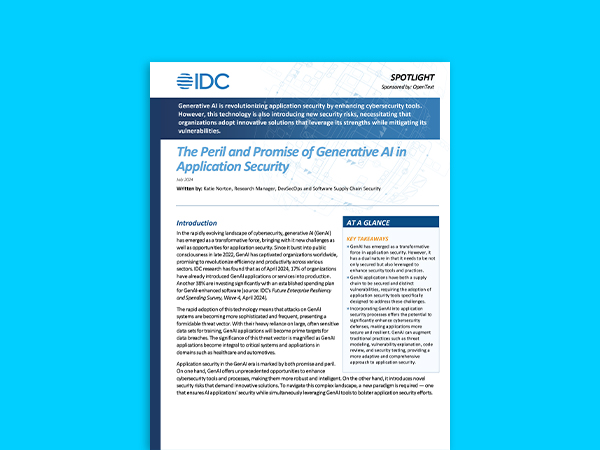
White PaperOpenText
The Peril and Promise of Generative AI in Application Security
-
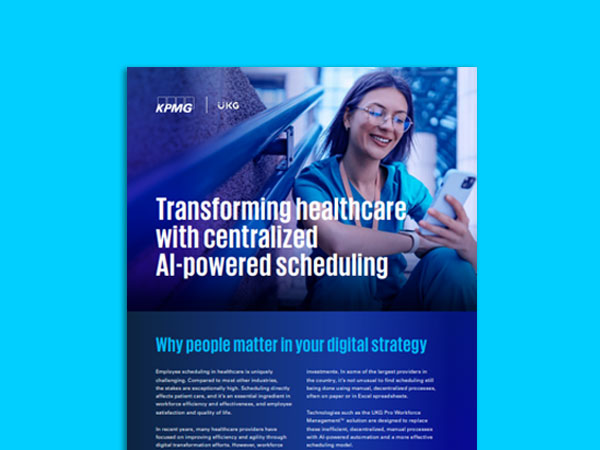
White PaperKPMG
Transforming Healthcare with Centralized AI-Powered Scheduling
-
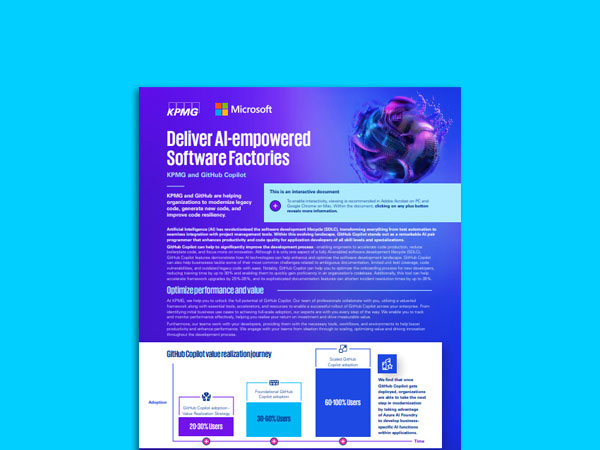
White PaperKPMG
Deliver AI-empowered Software Factories
-
White PaperForbes
A Stress Test for Your Estate Plan
-
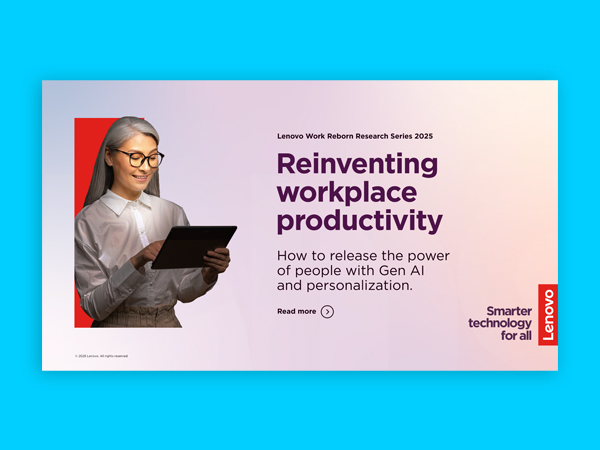
ReportLenovo
Reinventing Workplace Productivity