EdTech Business
The Future of Professional Training: Why Every Office Needs a Modern Classroom Display
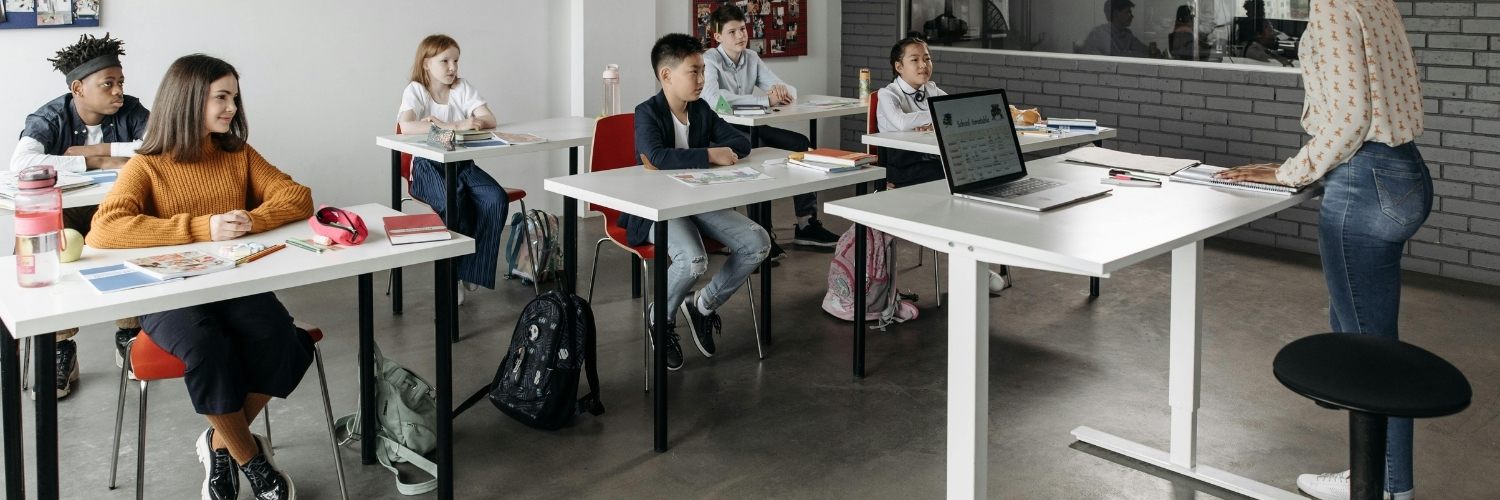
Image Courtesy: Pexels


In the fast-paced corporate world of 2026, the traditional boardroom is undergoing a massive transformation. The days of static PowerPoint presentations and passive listeners are fading. Today, the centerpiece of professional growth is the modern classroom display, a tool that bridges the gap between remote teams and in-office collaboration while fostering an environment of active learning.
Bridging the Hybrid Gap
As organizations move toward permanent hybrid models, the need for seamless connectivity has never been higher. A modern classroom display serves as more than just a screen; it is a collaborative hub. With integrated 4K cameras, AI-powered auto-framing, and far-field microphones, these displays ensure that a remote executive in London feels just as present as the manager sitting in the New York training room.
Boosting Engagement Through Interactive Technology
Corporate training often suffers from “death by slides.” However, incorporating a modern classroom display into your workshops shifts the dynamic from observation to participation. Features like 40-point multi-touch performance allow multiple team members to brainstorm simultaneously. Whether it’s mapping out a SWOT analysis or live-annotating a financial dashboard, the tactile nature of these boards keeps professionals engaged and improves information retention.
Streamlining Workflow with AI Integration
Efficiency is the currency of the corporate world. The latest generation of the modern classroom display comes equipped with “EduAI” and machine learning capabilities. These systems can instantly convert handwritten notes into digital text, record and summarize sessions automatically, and even suggest relevant data visualizations in real-time. This reduces the administrative burden on trainers, allowing them to focus on leadership and skill-building.
Creating a Future-Ready Corporate Environment
Investing in a modern classroom display is not just about upgrading hardware; it is about signaling a commitment to a culture of continuous learning. Standardizing these displays across an enterprise ensures that regardless of which office a team member visits, they encounter a predictable, high-performance environment. This technical consistency reduces IT friction and allows ideas to flow without the typical “tech-check” delays.
In conclusion, as we navigate the complexities of a digital-first economy, the tools we use to teach and lead must evolve. By adopting a modern classroom display, your organization can transform a simple meeting into a powerful, interactive learning experience that drives real business results.

-
White PaperOpenText
The Peril and Promise of Generative AI in Application Security
-
White PaperKPMG
Transforming Healthcare with Centralized AI-Powered Scheduling
-
White PaperKPMG
Deliver AI-empowered Software Factories
-
White PaperForbes
A Stress Test for Your Estate Plan
-
ReportLenovo
Reinventing Workplace Productivity