Leadership
Effective Leader Skills for 2026: Guiding Organizations Through Change and Complexity

Image Courtesy: Pexels


Modern organizations operate in an era of constant disruption, hybrid work models, and global competition. In this environment, effective leader skills are no longer defined by hierarchy alone, but by the ability to influence, adapt, and create clarity during change.
Strategic Thinking in a Dynamic Business Landscape
Leaders must balance short-term performance with long-term vision. Strong strategic thinking allows executives to anticipate market shifts, allocate resources wisely, and align teams around shared objectives without losing agility.
Emotional Intelligence and People-Centered Leadership
Understanding people is as critical as understanding business. Effective leader skills include emotional intelligence—listening actively, managing conflict, and fostering trust—which directly impacts engagement, retention, and team performance.
Communication That Drives Alignment
Clear, consistent communication keeps organizations focused. Leaders who articulate purpose, expectations, and priorities help teams stay aligned, especially in distributed and cross-functional work environments.
Decision-Making with Accountability
In high-pressure situations, leaders are expected to make informed decisions quickly. Developing effective leader skills means combining data-driven insights with accountability to ensure outcomes are transparent and aligned with organizational values.
Conclusion: Leadership as a Continuous Capability
As workplaces continue to evolve, effective leader skills remain a critical differentiator for organizations seeking resilience, innovation, and long-term success in the modern corporate world.

-
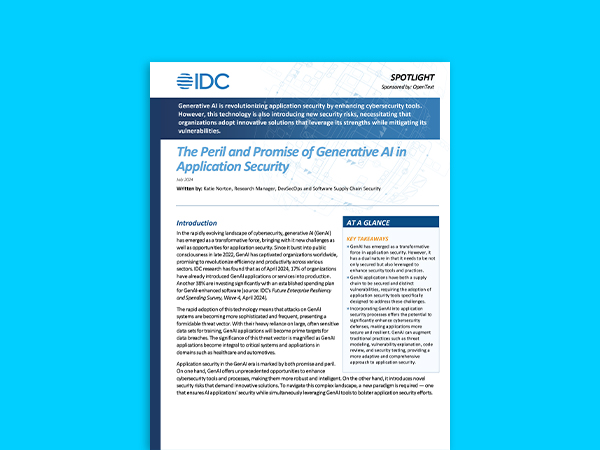
White PaperOpenText
The Peril and Promise of Generative AI in Application Security
-
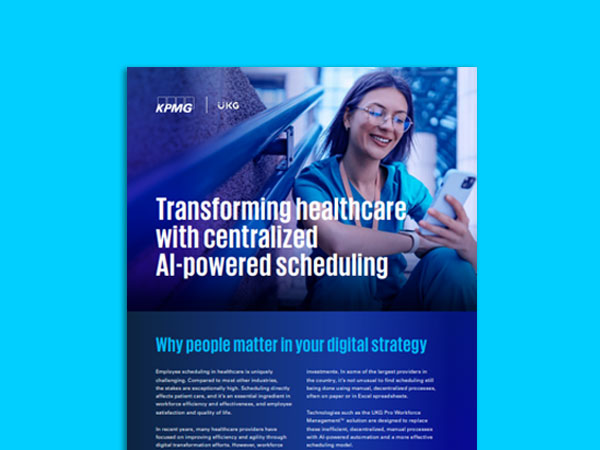
White PaperKPMG
Transforming Healthcare with Centralized AI-Powered Scheduling
-
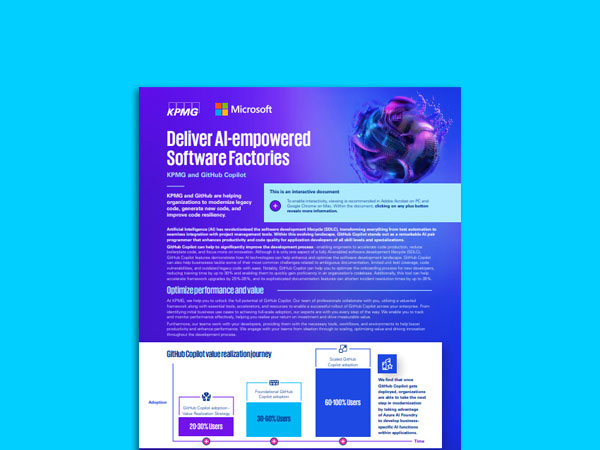
White PaperKPMG
Deliver AI-empowered Software Factories
-
White PaperForbes
A Stress Test for Your Estate Plan
-
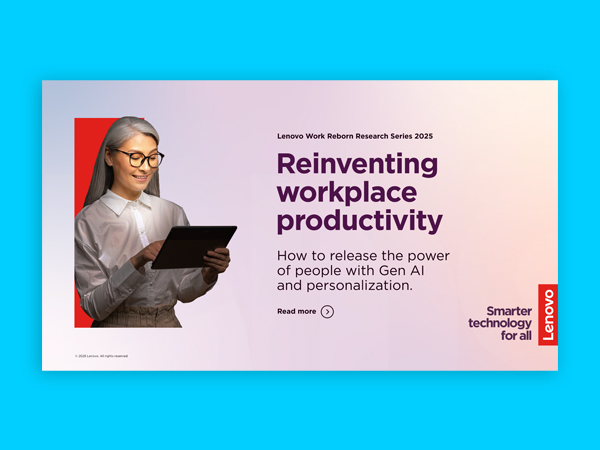
ReportLenovo
Reinventing Workplace Productivity