EdTech Business
Interactive Classroom Technology for Low-Distraction Learning: Designing Smarter Participation Without Screen Overload
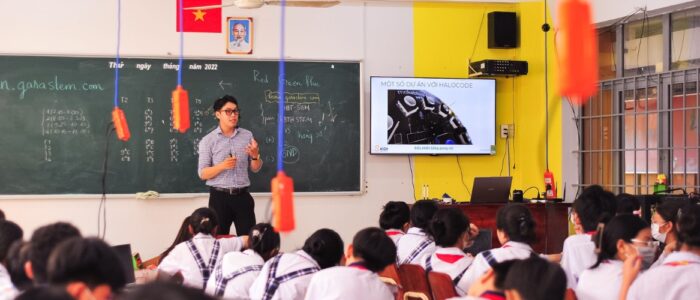
Image Courtesy: Pexels


Classroom technology is often judged by how advanced it looks: large displays, connected devices, AI tools, digital boards, learning apps, and real-time dashboards. But the real measure of success is not how many tools a classroom uses. It is whether students participate more deeply, teachers gain more instructional clarity, and learning stays focused rather than fragmented.
Interactive classroom technology is most effective when it turns students from passive listeners into active contributors while keeping the learning environment simple, intentional, and easy to manage.
Why Low-Distraction Classrooms Need Better Interaction
Many schools have already moved beyond the traditional lecture-only model, but technology overload can create a new problem. Teachers may switch between too many platforms, students may lose focus, and classroom time may be spent managing devices instead of building understanding.
A low-distraction approach puts pedagogy before platforms. Instead of asking “What tool should we add next?”, schools can ask “What kind of participation do we want to improve?” This shift helps educators select tools that support attention, collaboration, assessment, and feedback without turning every lesson into a screen-heavy experience.
The Participation Gap in Modern Classrooms
In many classrooms, only a few confident students respond regularly while others remain silent. This makes it difficult for teachers to know whether the class understands the lesson. Interactive tools such as polls, shared boards, quick quizzes, annotation activities, and collaborative exercises can make participation visible without putting every student on the spot.
Interactive classroom technology helps close this gap by giving students multiple ways to respond: touching, typing, drawing, voting, explaining, grouping, or solving together. The result is not just more engagement, but better evidence of learning.
What Makes Classroom Technology Truly Interactive?
A tool is not interactive simply because it is digital. True interactivity happens when students make decisions, receive feedback, collaborate with peers, or manipulate learning material in meaningful ways.
Schools can evaluate interactive classroom technology using four questions:
- Does it increase student thinking? The tool should invite analysis, problem-solving, or creation.
- Does it make participation measurable? Teachers should be able to see who responded, what they understood, and where confusion remains.
- Does it support inclusive learning? Students should have more than one way to engage with the lesson.
- Does it reduce teacher friction? The tool should simplify lesson flow rather than add extra steps.
Designing a Screen-Smart Interactive Lesson
A screen-smart lesson uses digital interaction at the moments where it adds the most value. For example, a teacher may begin with a short question on an interactive board, move into a hands-on group activity, use a quick digital check for understanding, and end with a reflective response. The technology appears at key learning points, not throughout the entire class.
This model works well because it balances attention and interaction. Students are not staring at screens continuously, but they are still contributing, receiving feedback, and helping the teacher adjust instruction in real time.
How Teachers Can Use Data Without Losing the Human Moment
One of the strongest benefits of interactive learning tools is immediate insight. Teachers can see patterns in answers, identify misconceptions, and decide whether to reteach, regroup, or move ahead. However, data should support teacher judgment—not replace it.
The best classrooms combine real-time feedback with observation, discussion, and relationship-based teaching. When used thoughtfully, interactive classroom technology gives teachers more visibility into learning while preserving the personal connection that makes instruction effective.
Implementation Checklist for Schools
Before investing in new tools, schools should assess how technology will fit into the teaching system. A strong implementation plan should include:
- Clear learning goals: Define whether the priority is participation, assessment, collaboration, accessibility, or blended learning.
- Teacher training: Provide practical lesson-based training rather than only product demonstrations.
- Tool integration: Choose systems that work with existing devices, content, and learning platforms.
- Privacy and safety standards: Protect student data and use age-appropriate digital practices.
- Measurement plan: Track whether tools improve engagement, comprehension, and instructional efficiency.
What is interactive classroom technology?
It refers to digital tools and connected learning systems that allow students and teachers to participate actively through polls, quizzes, annotation, collaboration, real-time feedback, and multimedia learning activities.
How does classroom technology improve student engagement?
It improves engagement by giving students more ways to respond, collaborate, solve problems, and receive immediate feedback during lessons.
Is more classroom technology always better?
No. More tools can sometimes create distraction and complexity. The best approach is to use technology only where it strengthens participation, understanding, feedback, or accessibility.
How can schools choose the right interactive tools?
Schools should choose tools based on learning goals, ease of use, teacher readiness, student privacy, integration with existing systems, and measurable classroom impact.
Conclusion: Interaction Should Serve Learning, Not Interrupt It
The future of digital learning is not about filling classrooms with more screens. It is about designing better moments of participation. When teachers use interactive tools with purpose, students become more visible in the learning process, feedback becomes faster, and instruction becomes more responsive.
Interactive classroom technology works best when it feels natural, supports teacher decisions, and helps every student take part in learning with confidence.

-
White PaperOpenText
The Peril and Promise of Generative AI in Application Security
-
White PaperKPMG
Transforming Healthcare with Centralized AI-Powered Scheduling
-
White PaperKPMG
Deliver AI-empowered Software Factories
-
White PaperForbes
A Stress Test for Your Estate Plan
-
ReportLenovo
Reinventing Workplace Productivity