EdTech Business
Measuring ROI: What Schools Gain from Investing in Smart School Technology

Image Courtesy: Shutterstock


School leaders face increasing pressure to improve educational outcomes while managing tight budgets and growing operational demands. As a result, technology investments are receiving greater scrutiny than ever before. Administrators, boards, and stakeholders want to know whether digital initiatives are producing measurable value rather than simply adding new tools to classrooms.
This shift has changed how schools evaluate technology spending. Instead of focusing solely on device counts or software adoption rates, institutions are increasingly measuring outcomes such as student performance, teacher productivity, operational efficiency, and long-term cost savings.
That is why discussions around smart school technology are increasingly centered on return on investment (ROI) rather than technology adoption alone.
Also Read: 6 Myths About Digital Education Solutions That EdTech Businesses Still Believe—Busted
Looking Beyond Hardware to Measure Educational Value
The ROI of educational technology extends far beyond laptops, interactive displays, or learning platforms. The real value comes from how these tools improve learning experiences, streamline administrative processes, and help schools make better decisions.
Forward-thinking institutions are using smart school technology to create connected ecosystems where data, communication, and educational resources work together to support both students and staff.
Improved Student Outcomes
One of the most important measures of ROI is student success.
Advanced learning platforms can identify learning gaps earlier, provide personalized learning pathways, and deliver real-time feedback. Teachers gain greater visibility into student progress, allowing interventions before academic challenges become larger problems.
When students receive targeted support, schools often see improvements in engagement, attendance, and overall academic performance.
Greater Operational Efficiency
Administrative tasks consume significant time and resources across educational institutions.
Automation tools can streamline attendance tracking, scheduling, communication workflows, and reporting processes. By reducing manual workloads, schools can allow staff to focus more on educational priorities rather than administrative responsibilities.
This operational efficiency represents one of the most immediate benefits of smart school technology investments.
Better Resource Allocation
School budgets are often limited, making resource optimization essential.
Technology platforms provide administrators with detailed insights into classroom utilization, software adoption, facility usage, and student needs. These insights help leaders make informed decisions about future investments and avoid unnecessary spending.
As a result, schools can direct resources toward initiatives that generate the greatest educational impact.
Enhanced Teacher Productivity
Teacher burnout remains a growing concern across many educational systems.
Digital tools that automate grading, lesson planning support, progress monitoring, and communication can reduce administrative burdens. This enables educators to spend more time engaging with students and less time managing repetitive tasks.
Improved productivity benefits both teachers and learners while supporting long-term staff retention.
Data-Driven Decision-Making
Modern educational environments generate large amounts of valuable data.
Through smart school technology, administrators can access dashboards that provide visibility into academic performance, attendance patterns, resource utilization, and operational metrics. These insights help school leaders identify trends, measure program effectiveness, and make strategic decisions with greater confidence.
Why ROI Matters More Than Ever
As education continues to evolve, schools must justify every investment against measurable outcomes. Technology is no longer viewed as a standalone initiative but as a strategic enabler of institutional success.
Schools that effectively implement smart school technology can improve student achievement, increase operational efficiency, support educators, and make more informed decisions. When evaluated through a comprehensive ROI lens, technology investments become not just a cost center but a powerful driver of educational and organizational improvement.
Concluding Statement
The true value of smart school technology lies not in the tools themselves, but in the measurable outcomes they help schools achieve for students, educators, and the broader institution.

-
White PaperOpenText
The Peril and Promise of Generative AI in Application Security
-
White PaperKPMG
Transforming Healthcare with Centralized AI-Powered Scheduling
-
White PaperKPMG
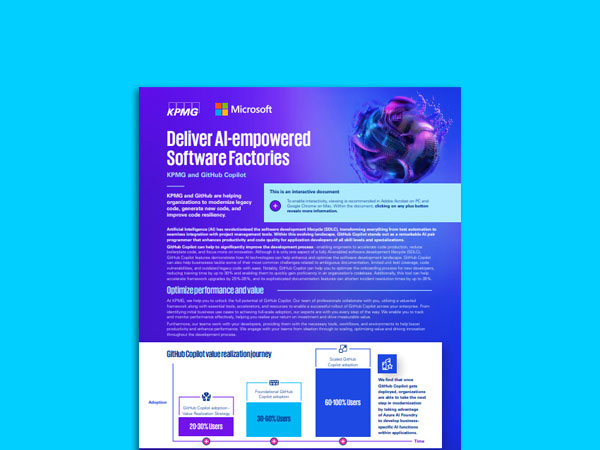
Deliver AI-empowered Software Factories
-
White PaperForbes
A Stress Test for Your Estate Plan
-
ReportLenovo
Reinventing Workplace Productivity